
Surimi products for commercial use
Our surimi range.
Fresh fish, processed in-house and graded for different textures, applications and markets.
01 Species profile
Itoyori
Nemipterus spp.
Threadfin bream
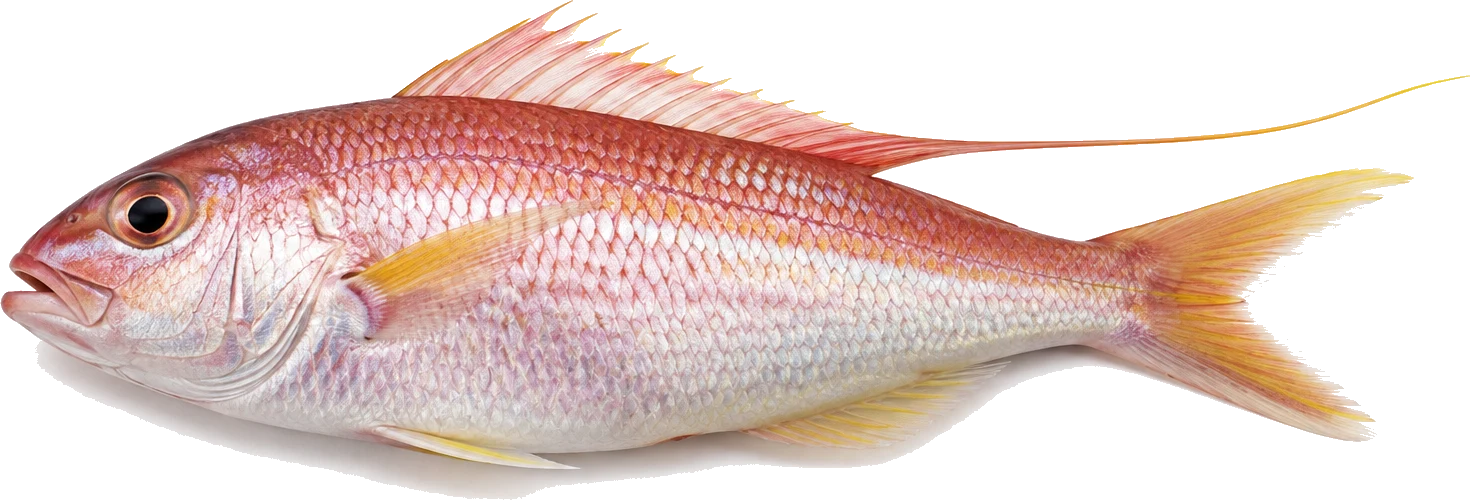
Considered the most premium tropical fish for surimi, threadfin bream is valued for its clean white colour, high protein content and exceptional elasticity.
Key strengths
- High protein
- Clean white colour
- Strong forming ability
- High elasticity
Commercial consideration
- Premium pricing tier
Available grades
Gel strength (JS), g/cm²
| Grade | JS | Positioning |
|---|---|---|
| SA | 800+ | Highest strength |
| AA | 600–800 | High strength |
| A | 400–600 | Balanced strength |
Typical applications
Fish balls, fish cakes, kamaboko, kanikama and fish sausages.
Format & supply
- Country of origin
- Thailand
- Packaging and storage
- View details
02 Species profile
Guchi
Pennahia spp.
Croaker
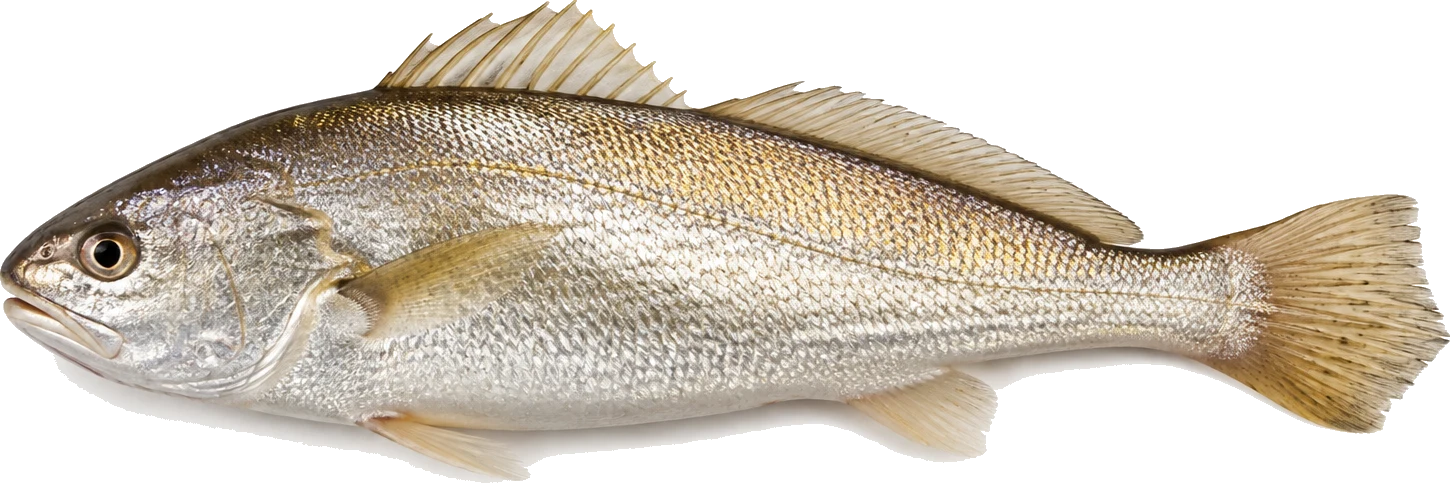
A premium surimi fish known for its strong elasticity, excellent forming ability and firm, satisfying texture. It has a naturally light-grey colour and is available only during limited peak-catch periods.
Key strengths
- High protein
- Forming ability
- High elasticity
- Great texture
Commercial considerations
- Premium pricing tier
- Light grey colour
- Limited peak-catch windows
Available grades
Gel strength (JS), g/cm²
| Grade | JS | Positioning |
|---|---|---|
| SA | 800+ | Highest strength |
| AA | 600–800 | High strength |
| A | 400–600 | Balanced strength |
Typical applications
Premium products, kamaboko and chikuwa.
Format & supply
- Country of origin
- Thailand
- Packaging and storage
- View details
03 Species profile
Himeji
Upeneus spp.
Goatfish
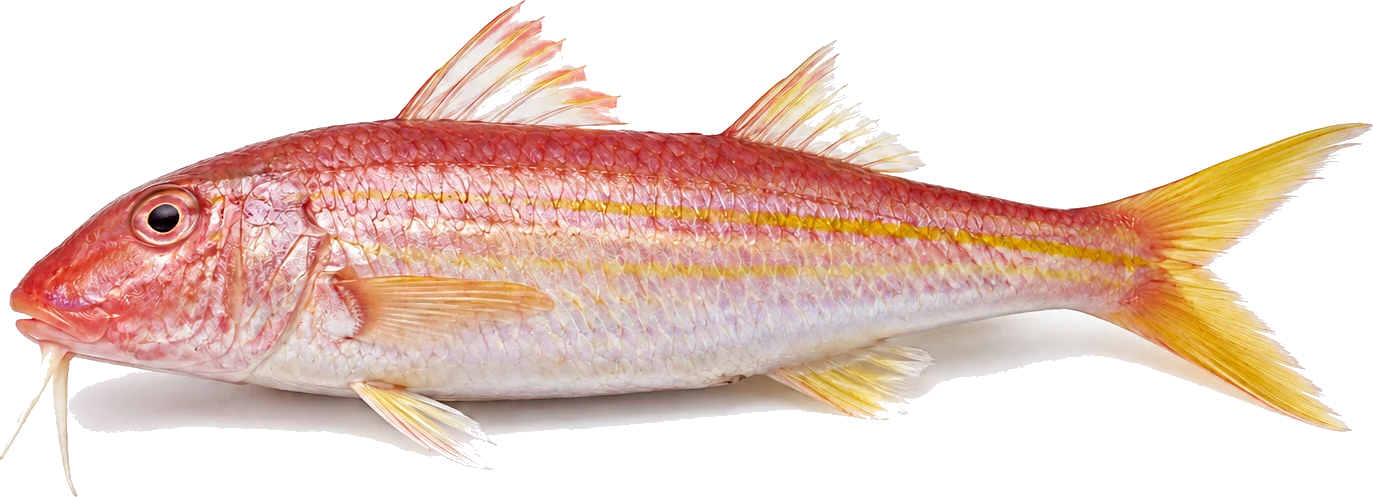
Known for its strong water-holding ability, goatfish produces surimi with a moist, chewy texture and a natural yellow-white colour.
Key strengths
- Low-fat protein
- Low calories
- Water-holding ability
- Chewy texture
- Value for money at its JS
Commercial consideration
- Yellow-white colour
Available grades
Gel strength (JS), g/cm²
| Grade | JS | Positioning |
|---|---|---|
| M | 300+ | Moderate strength |
Typical applications
Kamaboko, chikuwa, satsuma-age, fish sausages, fish balls and kanikama.
Format & supply
- Country of origin
- Thailand
- Packaging and storage
- View details
04 Species profile
Eso
Saurida spp.
Lizardfish

Lizardfish produces a soft, pure-white surimi with a distinctive natural aroma and flavour. It blends easily with other surimi grades, making it useful for adjusting texture and formulation cost.
Key strengths
- Pure white colour
- Soft
- Blends with other surimi to manage cost
- Value for money
- Distinctive smell and taste
Commercial considerations
- Limited peak-catch windows
- Lower gel strength — fragile, prone to cracking
Available grades
Gel strength (JS), g/cm²
| Grade | JS | Positioning |
|---|---|---|
| Standard | 150+ | Softer, for blending |
Typical applications
Fish balls, fish cakes and fish wontons.
Format & supply
- Country of origin
- Thailand
- Packaging and storage
- View details
How we grade surimi
Gel strength,
explained.
Gel strength tells you how surimi behaves once it has set: how firmly it breaks and how far it stretches. It helps buyers compare grades and choose the right surimi for their product.
From softer to firmer
JS
-
150+
Softer, easier to blend
Eso
Mixing, to manage cost
-
400–600
Balanced firmness
Standard grades
Fish tofu, fish balls
-
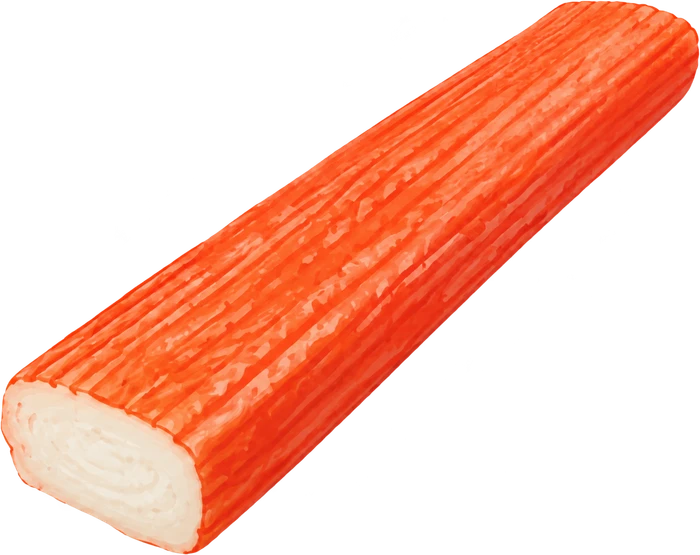
800+
Firmer, springier and more elastic
SA itoyori and guchi
Imitation crab

Our method
How we verify gel strength
Every tonne produced is tested before release to verify its grade and ensure consistent performance. This gives customers a dependable JS result they can formulate around.

The method at a glance
-
01
Prepare the gel
A sample from each tonne is prepared under controlled conditions to create a standard test gel.
Setting time Temperature Sample dimensions
-
02
Measure its performance
The set gel is tested for breaking force and deformation, showing how firm it is and how far it stretches before breaking.
Instrument Probe diameter Test speed
-
03
Verify against grade
The result is checked against the intended grade specification and recorded before that tonne is released.
Formula Unit Number of readings
View full test conditions
- Gel preparation
- 3% salt and 3% starch.
- Setting
- 90 °C for 40 minutes.
- Plunger diameter
- 5 mm.
- Also tested, every tonne
- Moisture pH Impurities Colour, as L* and b*
Packaging
Pack sizes and storage.
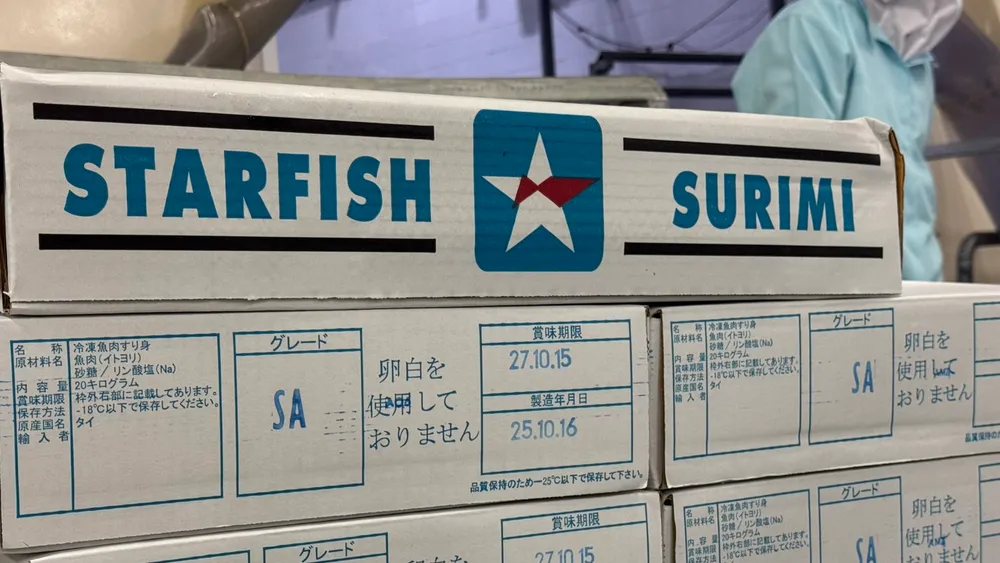
Surimi block sizes, carton weights and frozen storage requirements.
- Format
- Frozen blocks, each in its own PE bag.
- Block and carton
- 10 kg a block, two blocks to a carton — 20 kg net.
- Container
- 900 cartons fill a 20 ft container, 18 tonnes. 1,200 fill a 40 ft, 24 tonnes.
- Storage
- −18 °C or below.
- Shelf life
- Two years from production.
- Marking
- Grade, manufacturing date and expiry date, printed on every carton.
Send us your specification.
Species, target gel strength and volume are enough for us to recommend a grade and confirm what we can supply.
Talk to us about grades